Yonge-Bay Corridor
Borough: Toronto | Toronto's most transit-saturated downtown core address
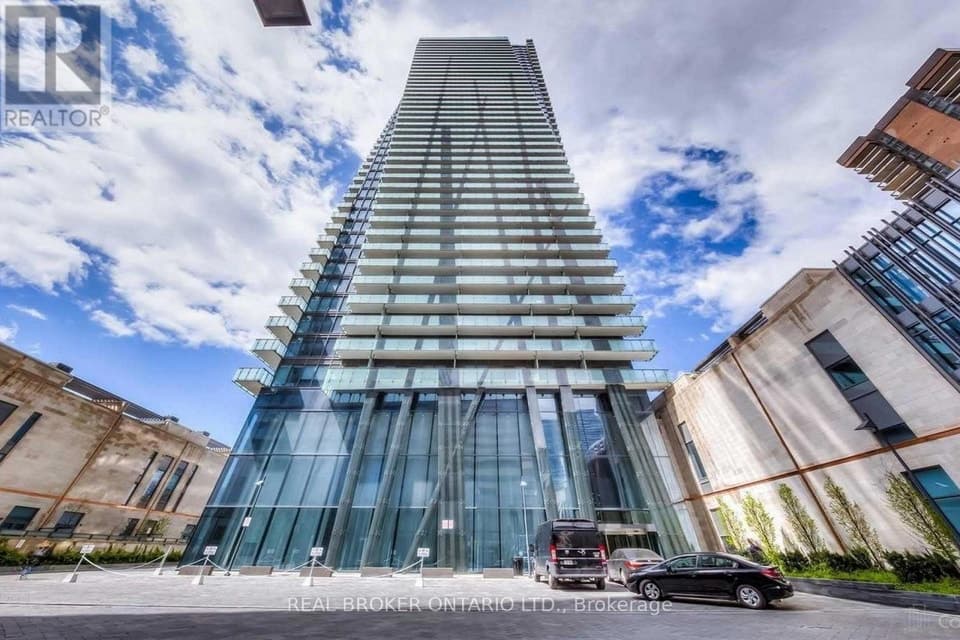
The Yonge-Bay Corridor is the financial and commercial spine of downtown Toronto, running along Yonge and Bay Streets between roughly Queen Street to the south and Bloor to the north. This is the city's densest transit zone and one of the most intensely urban addresses in Canada.
Character and Vibe
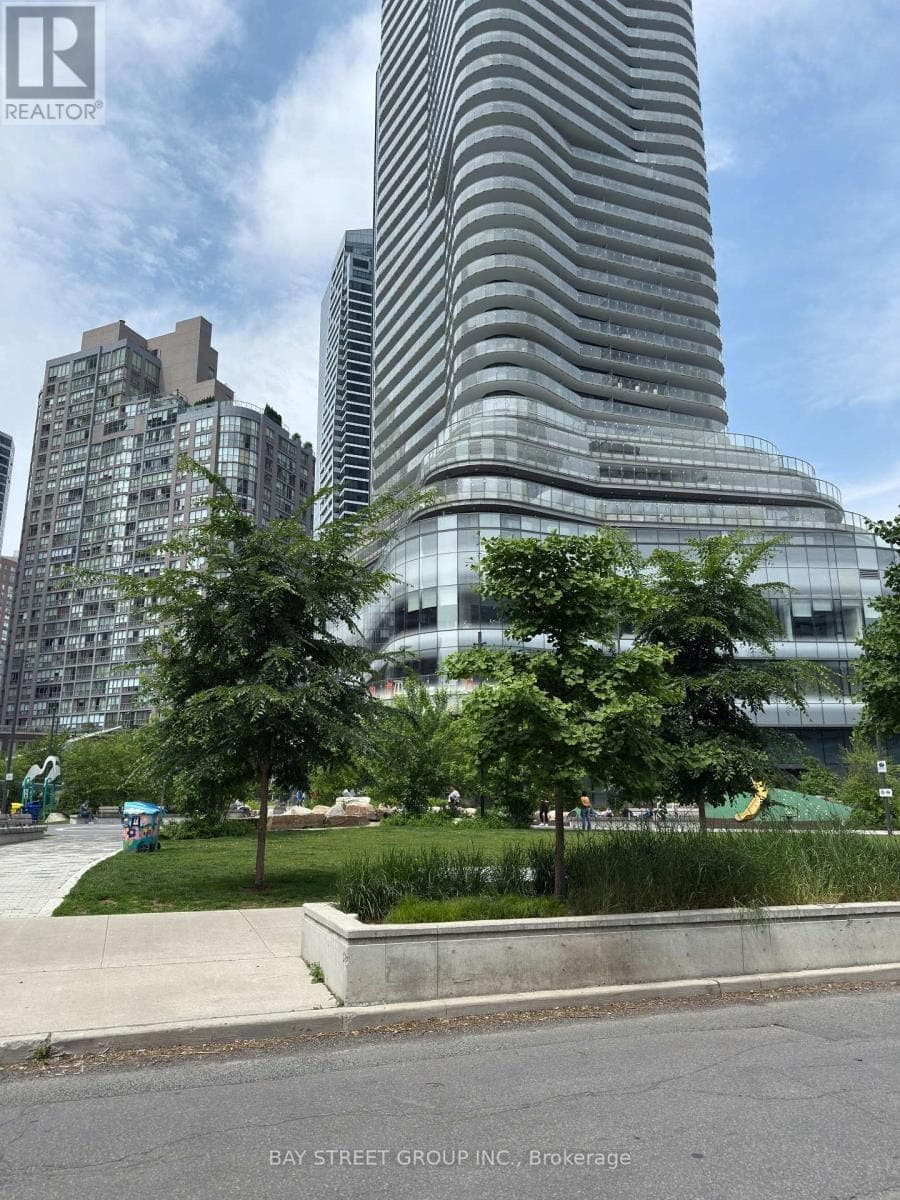
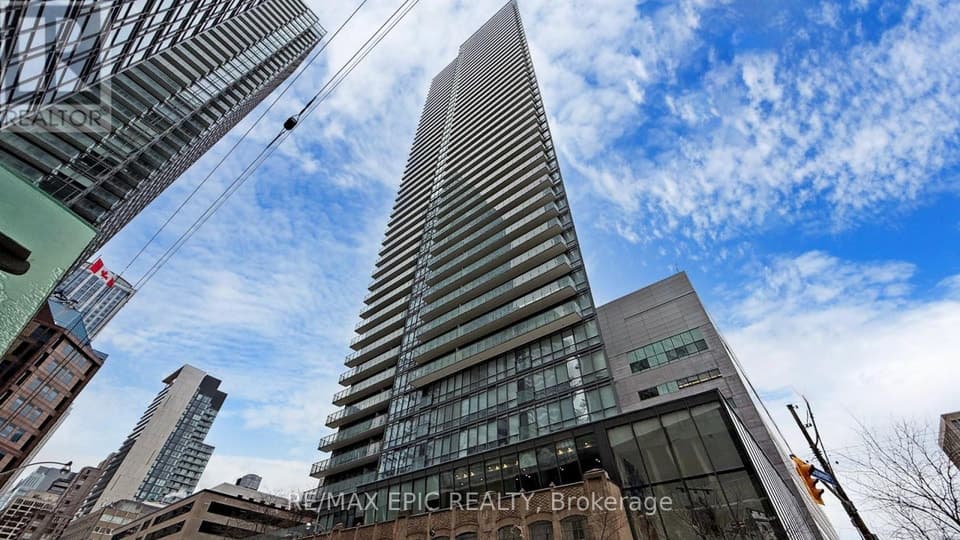
This neighbourhood does not have a village feel. It is an urban core — towers, PATH connections, suits, and streetcars. The energy is fast and functional during the week, quieter on weekends. Residents are largely downtown professionals who value proximity to work above all else. The neighbourhood encompasses Bay-Adelaide, the Financial District, and parts of the Entertainment and Discovery Districts.
Transit
With 38 rapid transit stations and 43 bus stops, this is the most transit-rich neighbourhood in Toronto — arguably in Canada. Every major subway line and streetcar converges here. Walking is often the fastest way to get anywhere within the neighbourhood itself. Union Station gives direct access to GO Transit, VIA Rail, and the UP Express to Pearson Airport.
Amenities and Dining
The numbers are extraordinary: 406 dining options, 35 grocery stores, 23 healthcare providers, 9 fitness studios, 3 universities, and 18 nightlife venues. This is the full urban amenity stack. Every cuisine, every price point, every type of convenience is within a short walk. The PATH underground network alone connects dozens of food courts, pharmacies, banks, and shops without stepping outside.
Parks and Green Space
Seventeen parks punctuate the corridor — more than the density might suggest. Berczy Park (with its famous dog fountain), St. James Park, and the redesigned Nathan Phillips Square provide genuine outdoor space between the towers.
Schools
No traditional schools fall within the neighbourhood boundary, reflecting its commercial and high-density residential character. Families with school-age children typically consider this a trade-off for the unmatched urban convenience.
Rental Market
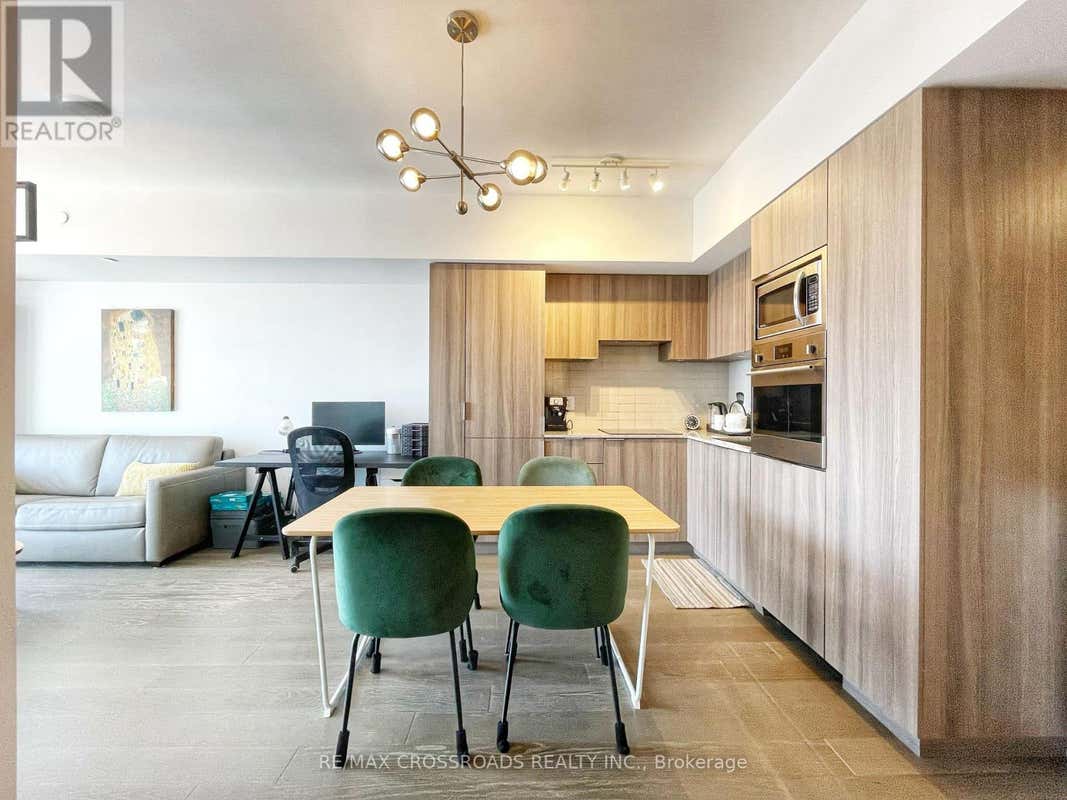
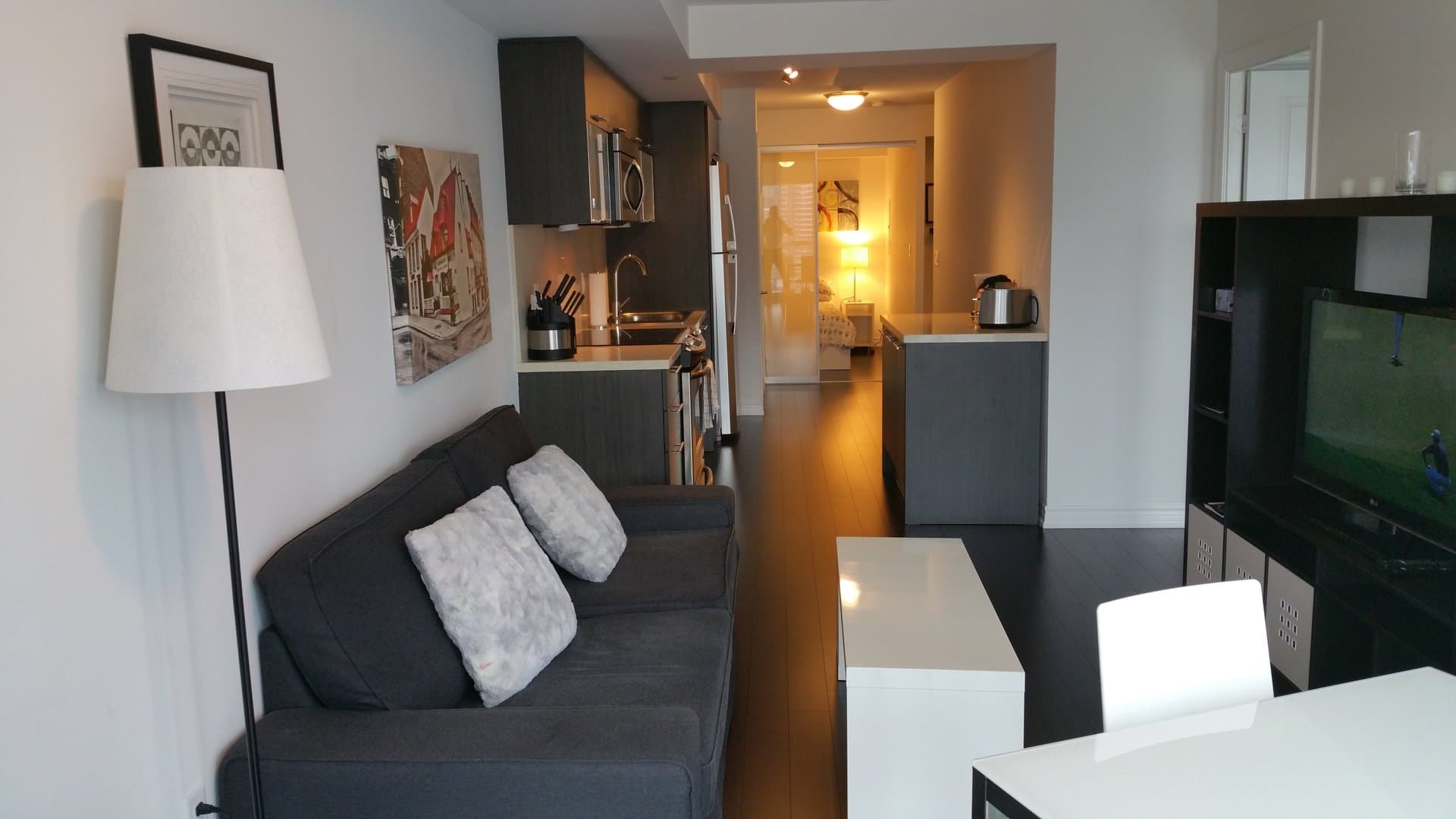
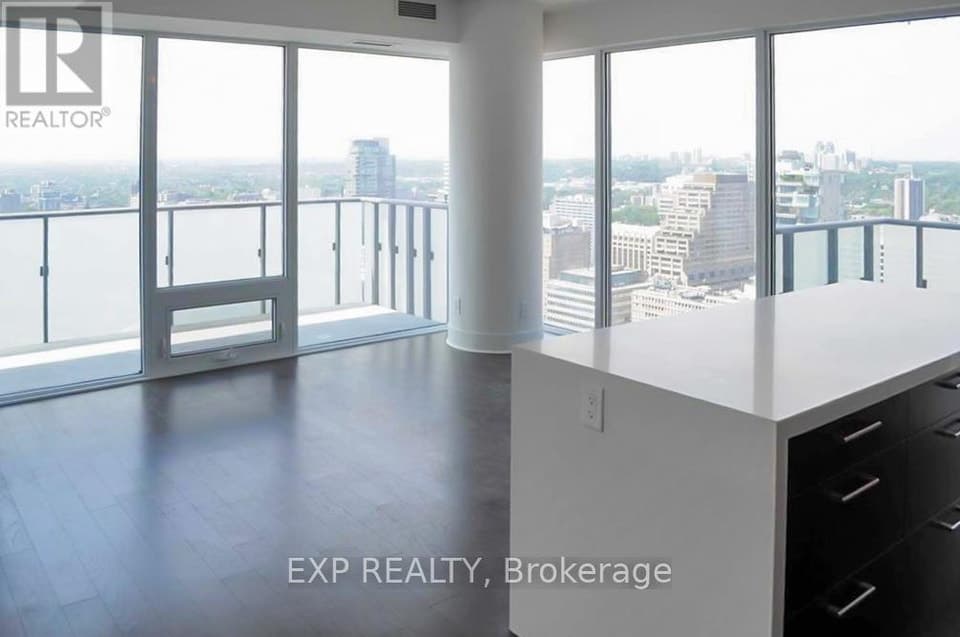
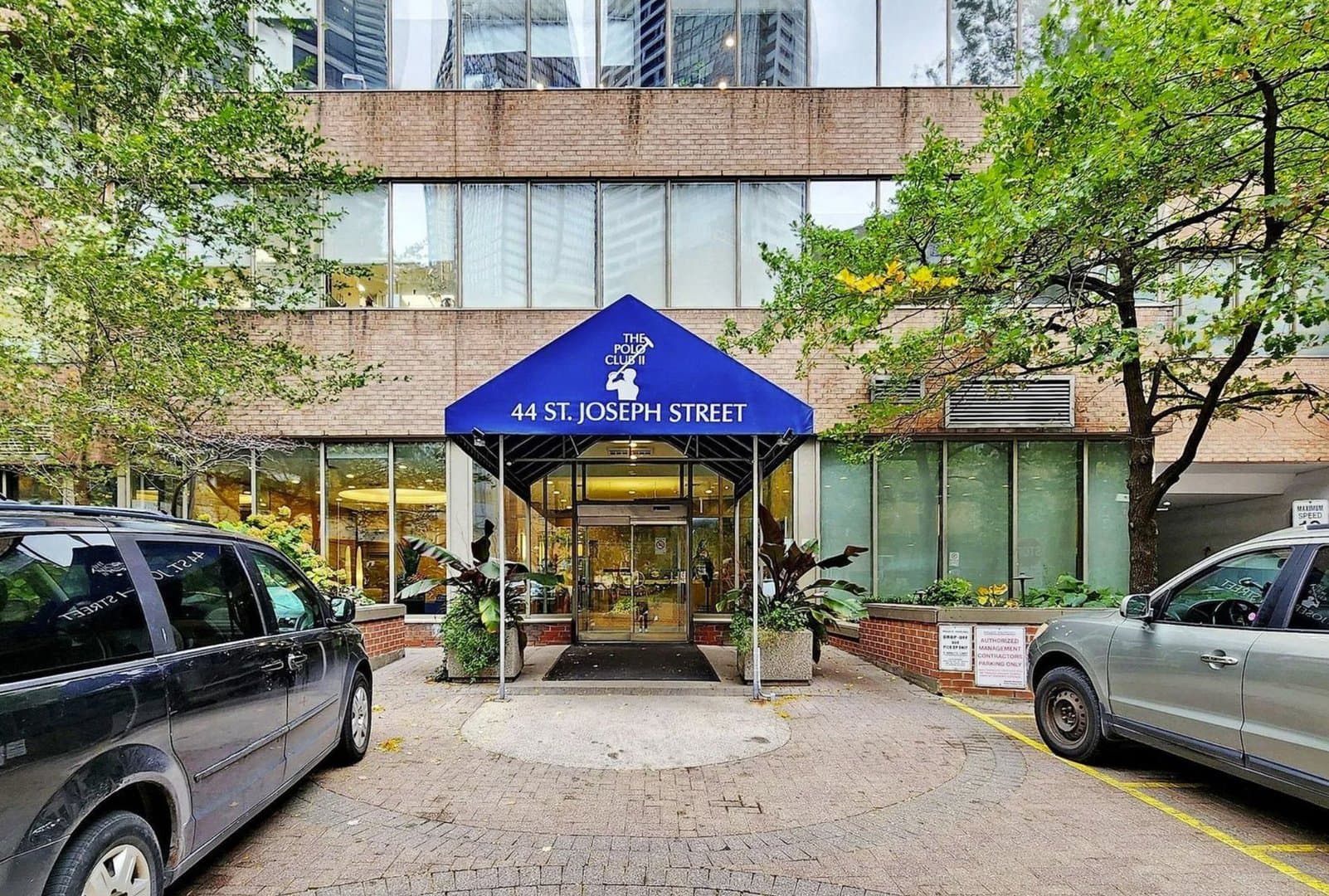
With 114 listings, inventory exists but demand is intense. Average rent is $3,016 with a median of $2,500 — the gap between average and median reflects the number of premium units skewing the average upward. The range ($70–$10,000) is wide, reflecting furnished short-term units at one end and luxury penthouses at the other. Expect to pay $2,300–$2,800 for a standard one-bedroom condo.
Who It's Best For
The Yonge-Bay Corridor suits downtown professionals, new arrivals to Toronto who want immediate access to everything, and anyone whose lifestyle genuinely revolves around the city core. It is not a family neighbourhood, not a quiet neighbourhood, and not a cheap neighbourhood. For the right renter, though, it is unmatched.